Bleeding Gums in the Desert: Why Dry Las Vegas Air Makes Gum Care Harder
Published · Updated
You brush, you spit, and there is pink in the sink. Most people shrug it off, decide they brushed too hard, and move on. Bleeding gums come up constantly at our office on South Fort Apache, usually as an afterthought while a patient is standing up to leave. It deserves more than that, and living in the desert makes it a little more complicated.
What the dry air is doing to your mouth
Saliva is your mouth’s rinse cycle. It washes away food, keeps acid in check, and carries minerals back to enamel between meals. Las Vegas air is dry year round, and air conditioning running from May into October pulls out more. Sleep with your mouth open and you wake up with a tongue like paper. Less saliva means plaque sits at the gumline longer, and plaque that sits is what makes gums swell and bleed.
Bleeding is inflammation, not bad technique
Gums that are healthy do not bleed. Not when you floss, not when you bite into something crunchy. Wash your hands and they do not bleed, and gum tissue works the same way. Pink in the sink means the tissue under the gum edge is inflamed from bacteria. In the early stage, gingivitis, it turns around with a cleaning and a few weeks of steady flossing. Left alone for years, it moves deeper and starts to affect the bone holding your teeth.
The desert habits that stack on top
Summer changes how people drink around here. An iced coffee nursed from nine in the morning to two in the afternoon. A sports drink after nine holes out past Rhodes Ranch. A soda in the car because the water bottle went warm. Sipping sugar across five hours feeds the bacteria at your gumline all day. Allergy season stacks on top, since antihistamines dry the mouth out further.
What we look at during a cleaning
A cleaning is also an exam. We run a small probe around each tooth, record the pocket depth between tooth and gum in six spots, and note every place that bleeds when we touch it. Those numbers go in your chart, so at the next visit we can see whether the same spots are still angry. Digital X-rays show the bone level. The intraoral camera puts the tissue on a screen beside you, which is usually the moment it clicks. A twice yearly checkup and cleaning is where most gum problems get caught early.
When it has gone further than gingivitis
Sometimes the pockets measure deeper than they should and the bleeding is widespread. That is gum disease, and a polish will not fix it. Treatment starts with cleaning the root surfaces below the gumline, followed by a tighter recall schedule while the tissue tightens back up. Our page on periodontal treatment for gum disease walks through what those appointments involve. On cost, you get a written treatment plan before anything starts. We file insurance claims, CareCredit and Cherry are available, and the Desert Hills Dental Complete plan covers exams, cleanings, and X-rays for patients without insurance. Work can be phased.
What helps at home in a dry climate
None of this is complicated. It is just consistent.
- Keep water with you. Warm bottle water still counts.
- Run a humidifier in the bedroom, especially in winter with the heat on.
- Floss at night, every night. Bleeding usually stops within two weeks of daily flossing.
- Choose an alcohol free rinse. Alcohol dries the tissue you are trying to calm.
- Breathe through your nose while you sleep if you can.
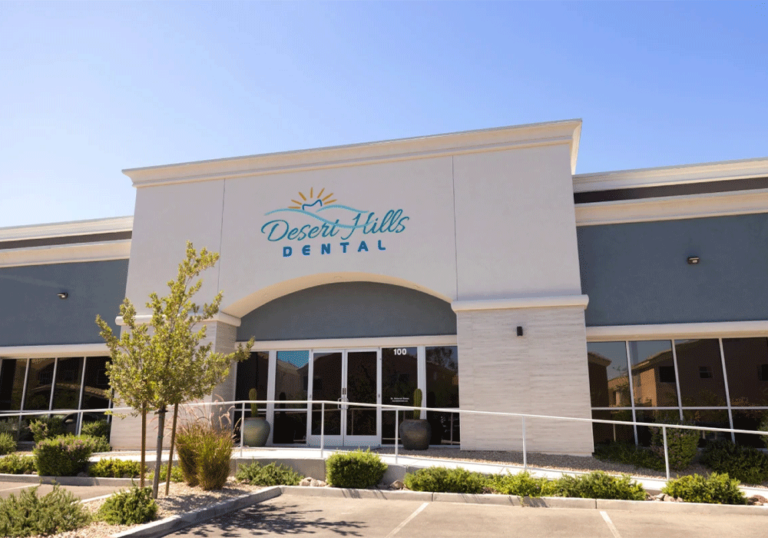
If your gums have been bleeding for more than two weeks, have someone look at them. Call us at (725) 307-5569 or request a visit through our contact page. We are on South Fort Apache in Spring Valley, 89148, open early Monday through Thursday, and we see patients from Summerlin, Enterprise, The Lakes, and across Southwest Las Vegas.
Frequently Asked Questions
Is it normal for my gums to bleed when I floss?
No. Bleeding means the gum tissue is inflamed, usually from plaque sitting along the gumline. Brushing too hard can bruise tissue, but it is rarely the whole story. If you floss daily and the bleeding has not stopped after about two weeks, call us. That is the point where a cleaning and a look at the pocket depths is worth it.
Can the dry Las Vegas air really cause gum problems?
Dry air does not cause gum disease by itself. It makes the conditions worse. Less saliva means less natural rinsing, so plaque stays on the teeth longer between brushings. People who sleep with their mouth open, run the air conditioning all summer, or take antihistamines tend to notice more dryness and more irritation along the gums. Hydration and nightly flossing handle most of it.
How often should I come in if my gums bleed?
Twice a year works for most patients. If your pocket depths are elevated or the bleeding is widespread, we usually move you to a three or four month schedule until the tissue settles down, then back to every six months. The interval is based on what the measurements show at your visit, not on a rule we apply to everyone.
Will a water flosser stop the bleeding?
A water flosser helps, especially around bridges, implants, and crowded lower front teeth where string floss is awkward. It does not scrape the film off the tooth surface the way floss does, so most patients do best using both. If the bleeding continues after a month of daily use, the plaque is probably below the gumline where neither tool reaches.
What if I do not have dental insurance?
You still have options. Our Desert Hills Dental Complete plan is a flat fee membership that covers routine exams, cleanings, and X-rays, plus a discount on other treatment. CareCredit and Cherry financing are both available if you want to spread payments out. Either way, you get a written treatment plan with the costs on it before we begin, and we can phase the work over time.