Small Cavities, Watch or Fill: What Summerlin South Patients Should Ask
Published
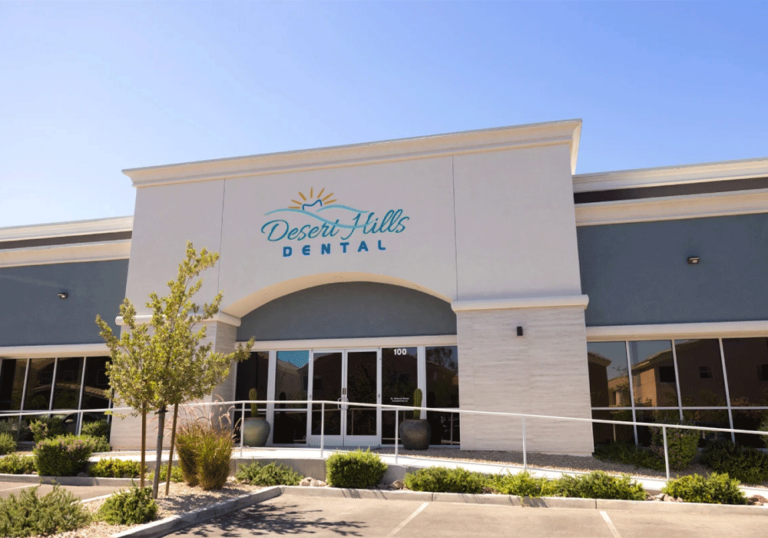
Some small cavities can be watched, and some can’t. If it’s still an early spot in the enamel with no hole in it, it can stop or even reverse with fluoride. Once there’s an actual hole, the enamel can’t repair it, and a filling is the usual fix. Desert Hills Dental, on South Fort Apache Road in Spring Valley, checks spots like this for patients from Summerlin South at a regular checkup.
So the first thing to ask your dentist is “is this a spot or a hole?”
Key Takeaways
- A white spot on a tooth is a sign of early decay, and the NIDCR says decay can be stopped or reversed at that stage.
- Once a hole has formed, the usual treatment is a filling, because the lost tooth structure doesn’t regrow.
- No pain doesn’t mean a cavity is small, since MedlinePlus notes most cavities don’t hurt until they grow large.
- Watching a spot only counts as care when the tooth, the image and the recheck date are written down.
- Dry mouth raises decay risk, so tell your dentist about it before agreeing to watch a spot.
What makes a small cavity safe to watch?
It’s watchable when the enamel has lost minerals but hasn’t broken down yet. The NIDCR’s tooth decay page explains that acid pulls minerals out of enamel, a white spot can appear where they were lost, and decay can be stopped or reversed at that point.
The repair comes from minerals in saliva and fluoride, from toothpaste or applied by a dentist or hygienist. If more minerals are lost than restored, the enamel weakens and a cavity forms. That’s the line between watching and filling.
| What the dentist sees | What it usually means | Reasonable next step |
|---|---|---|
| White spot, surface intact | Early mineral loss | Fluoride and a recheck |
| Soft spot on the exam | Decay has gone further | Ask whether it needs filling |
| Visible pit or hole | A cavity has formed | Filling |
| Pain with sweets, hot or cold | Decay may be advancing | Book a visit soon |
When does waiting stop being the right call?
When there’s a hole. The NIDCR says that before a cavity forms a dentist can apply fluoride to reverse the decay, and once it has formed, dentists commonly fill it.
MedlinePlus on dental cavities says an untreated cavity can lead to an abscess and can destroy the inside of the tooth, which needs more extensive treatment or removal. It also says treatment is less painful and less expensive when it’s done early.
Don’t use pain as your guide. The same MedlinePlus page says cavities usually don’t hurt unless they grow very large, so a tooth that feels fine can still have a hole in it.
What should “we’ll keep an eye on it” actually look like?
It should be written down. Ask which tooth and which surface, and whether it’s noted in your chart. Ask for an image of the spot to be saved, so the next visit has something to compare it against. MedlinePlus notes that X-rays can show some cavities before they can be seen by eye.
Ask when the recheck is and what to do at home until then. Our office uses digital X-rays and an intraoral camera, so ask which record your dentist will compare next time. A watch with no date and no image is just a hope.
Why does dry mouth change the picture?
Saliva is half of the repair. The NIDCR’s dry mouth page says saliva carries calcium and phosphate that help keep teeth strong, and that dry mouth raises the risk of decay. Medicines for high blood pressure, depression and bladder control often cause it.
The NIDCR’s dry mouth tips include plenty of water, sugarless gum and a humidifier at night. If your mouth feels dry most days, tell us before we decide to watch a spot.
Fluoride is the other half, and in Las Vegas some of it comes from the tap. The Las Vegas Valley Water District’s water quality FAQ says the Nevada legislature and Clark County voters mandated adding fluoride to Southern Nevada’s water. It also says some home filters reduce fluoride, so if your house in Summerlin South runs one, check with the maker.
How do you ask for the watch option?
Out loud, and early. “Is this a white spot or a hole? Could we try fluoride and recheck it? What would make you want to fill it next time?”
If two offices give you different answers, it’s worth knowing why treatment plans differ between dentists. You can also ask for a second opinion before anything gets drilled.
If the answer is that it needs filling, ask what they saw: a soft surface, a hole on the X-ray, or a spot that grew since last time. You can read how we handle fillings and sealants and what happens at our regular check-ups.
Patients in Summerlin South can start with our Summerlin South page. Call (725) 307-5569 or reach us through our contact page.
Frequently Asked Questions
Can a small cavity reverse without a filling?
An early spot can. The NIDCR says that when decay shows as a white spot, before a hole forms, it can be stopped or reversed, with minerals from saliva and fluoride from toothpaste or a dentist doing the repair. A cavity that has become a hole won’t regrow. That’s why the first question is whether you’re looking at a spot or a hole.
Why did one dentist want to fill a tooth another said to watch?
Early spots sit in a gray zone, and dentists weigh the same evidence differently. Ask each one what they saw: a soft surface, a hole on the X-ray, or a white spot with the enamel intact. If one saw a hole and the other didn’t, ask to compare the images.
Does Las Vegas tap water have fluoride?
Yes. The Las Vegas Valley Water District says the Nevada legislature and Clark County voters mandated adding fluoride to Southern Nevada’s water supply, through legislation passed in 1999 and 2000. The district also notes that some home filtration systems reduce fluoride, so if you filter your water, ask the filter’s maker.
Does dry mouth make watching a spot riskier?
It can. The NIDCR says dry mouth raises the risk of decay, and saliva helps an early spot repair.
Who can check a small cavity near Summerlin South?
Desert Hills Dental, a general and family dental office at 6740 S Fort Apache Rd in Spring Valley, checks early spots and cavities at a regular checkup. Its three dentists, Deborah Staten, Fatima Nepacena and Janika Ross, all hold a DMD. Call (725) 307-5569 to book a visit.
Medically reviewed by Deborah Staten, DMD, who leads the practice, and updated on October 19, 2026.
Sources
- National Institute of Dental and Craniofacial Research, Tooth Decay (last reviewed September 2025)
- National Institute of Dental and Craniofacial Research, Dry Mouth (last reviewed October 2024)
- MedlinePlus, Dental cavities (review date February 5, 2026)
- Las Vegas Valley Water District, Water quality FAQs (read October 19, 2026)